Dental Implants in Jazan: Straumann Quality, and What Really Determines Your Price
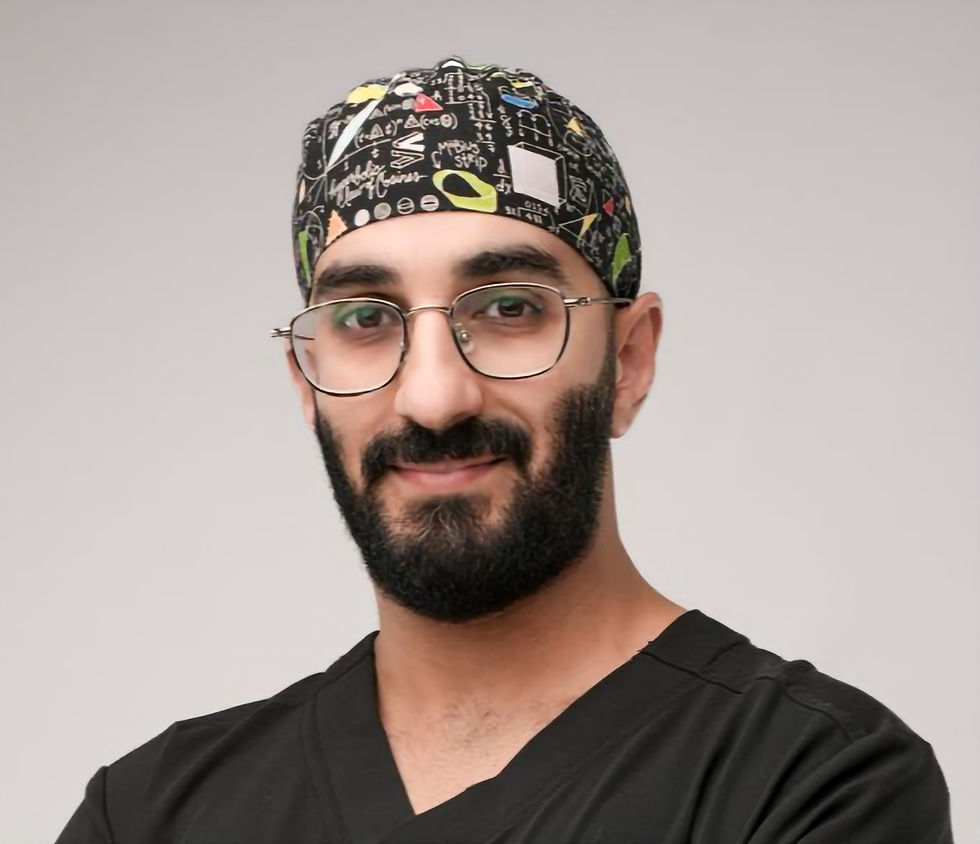
Dr. Hytham Nasser Fageeh
Consultant in Gum Surgery & Dental Implants
American Board Certification — Periodontics & Implant Dentistry
American Fellowship in Implant Dentistry
Master's degree and specialty training, State University of New York (SUNY)
Fellowship, Loma Linda University
Associate Professor and former Dean, College of Dentistry, Jazan University
Profile page: minaclinics.sa/hythamfageeh
Medically reviewed by Dr. Hytham Nasser Fageeh — Consultant in Gum Surgery & Dental Implants, MINA Dental Center.
Dental implants in Jazan are typically placed using internationally certified systems such as Straumann, Nobel Biocare, or Astra Tech, and the final cost depends far more on how many teeth need replacing and whether bone grafting is required than on which brand is used. At MINA Dental Center, every implant case starts with a clinical exam, 3D imaging, and a written, VAT-inclusive treatment plan before any procedure begins, so patients know their exact cost in advance rather than relying on a generic price list. The sections below walk through the systems, the procedure itself, and the real factors behind the price — reviewed by the clinic's consultant in gum surgery and dental implants.
Call: 920006462 · WhatsApp: Chat on WhatsApp
What Makes Straumann and Nobel Biocare Implants Different From Other Systems?
Not all dental implants are built the same way, and the system a clinic uses affects both the implant's long-term success rate and how it's handled in follow-up care years later. Straumann, the Swiss system MINA Dental Center uses most often, is known for its SLActive surface technology, which is designed to integrate with the jawbone faster than older, untreated-surface implants — a meaningful advantage for patients who want a shorter overall timeline. Nobel Biocare, developed by the company credited with pioneering modern implant dentistry, is frequently chosen for full-arch and complex multi-tooth cases because of its wide range of prosthetic components. Astra Tech (now part of the Dentsply Sirona family) is valued for its conical connection design, which many clinicians consider favorable for preserving the gum tissue around the implant. None of these systems is universally "best" — a consultant in implant dentistry chooses the system based on the patient's bone quality, the location of the missing tooth, and whether the restoration is a single crown, a bridge, or a full denture. What matters most for a patient in Jazan is confirming that the clinic uses a globally recognized, traceable system with a documented track record, rather than an unbranded or unverifiable implant — because replacement parts and warranty support depend entirely on that traceability.
System | Known For | Typically Used For |
Straumann (Switzerland) | SLActive fast-integration surface | Single-tooth and multi-tooth cases where a shorter healing window matters |
Nobel Biocare | Broad prosthetic component range | Full-arch restorations and complex multi-tooth cases |
Astra Tech / Dentsply Sirona | Conical connection, gum-tissue preservation | Cases where long-term soft-tissue stability is a priority |
How Does the Dental Implant Procedure Work, Step by Step?
The implant process is more predictable than most patients expect, but it does unfold in stages rather than a single visit. It begins with a consultation and a 3D CT scan, which lets the consultant measure the exact bone volume and density available and map out the implant position digitally before touching the patient. If the bone volume is sufficient, the implant itself — a small titanium (or titanium-zirconium) post — is placed under local anesthesia in a procedure that usually takes between 30 and 90 minutes per implant, depending on the case. What follows is the osseointegration period, the few months during which the jawbone fuses to the implant surface; this is the biological step that can't be rushed regardless of which brand is used. Once integration is confirmed, a small connector piece called an abutment is attached, and finally a custom-made crown, bridge, or denture is fitted on top, color-matched to the patient's natural teeth. Patients who need bone grafting or a sinus lift because of insufficient bone volume will have that procedure done first, adding a healing period of a few months before the implant itself can be placed.
Stage | What Happens | Typical Timeframe |
1. Consultation & 3D imaging | Exam, CT scan, digital treatment plan | Single visit |
2. Bone grafting (if needed) | Grafting procedure, healing before implant placement | 3–6 months, only if required |
3. Implant placement | Titanium post placed under local anesthesia | 30–90 minutes per implant |
4. Osseointegration | Bone fuses naturally to the implant surface | 2–6 months |
5. Abutment & final restoration | Connector attached, custom crown/bridge fitted | 1–2 visits |
What Determines the Cost of Dental Implants in Jazan?
The price of a dental implant is almost never a single, fixed number, which is why MINA Dental Center doesn't publish a flat rate for implants on its website — the real cost depends on specifics that only emerge after an exam. The biggest factor is simply how many implants are needed: a single missing tooth is a very different case from replacing several teeth or supporting a full denture. The second factor is bone quality — a patient with adequate jawbone can usually proceed straight to placement, while a patient who has lost bone density (common after a tooth has been missing for years) will need grafting first, which adds both a procedure and a healing period to the plan. The implant system itself (Straumann, Nobel Biocare, or Astra Tech) can carry a different cost, and the type of final restoration — a single crown versus a bridge or an implant-supported denture — also changes the total. What stays constant at MINA is the process: a full exam, a 3D scan, and a written quote that already includes VAT before any commitment is made, so there are no surprise charges partway through treatment. For patients who prefer to spread the cost rather than pay it all upfront, MINA also works with Tabby and Tamara, two SAMA-regulated buy-now-pay-later apps already widely used across Saudi Arabia, which let patients split the approved treatment cost over several installments with instant in-app approval and no hidden fees.
Call: 920006462 · WhatsApp: Chat on WhatsApp
Who Is a Good Candidate for Dental Implants — and Who Might Need Bone Grafting First?
Most adults with one or more missing teeth and generally healthy gums are candidates for implants, but a consultant needs to confirm two things before recommending the procedure: adequate bone volume and controlled management of any condition that affects healing, such as uncontrolled diabetes or active gum disease. Patients who have been missing a tooth for a long time often experience some bone resorption in that area, since the jawbone naturally shrinks once it no longer has a tooth root stimulating it — this is extremely common and doesn't rule out an implant, it simply means a bone graft or a sinus lift (for upper back teeth) may need to happen first. Smokers can still receive implants, though smoking is associated with a measurably higher failure rate and slower healing, which is why it's discussed openly during the consultation rather than treated as an automatic disqualifier. Age by itself is not a barrier — what matters clinically is bone health and overall healing capacity, which is why the 3D scan and medical history review at the first visit are what actually decide candidacy, not a quick visual check.
How Long Does Recovery Take, and What Should You Expect Each Week?
Recovery from implant placement is generally far more manageable than patients anticipate, especially compared to a surgical extraction. In the first 48 hours, mild swelling and tenderness at the implant site are normal and respond well to the cold-compress and pain-management routine the clinic provides after the procedure. Most patients return to normal daily activities, including light work, within one to three days, avoiding only hard or crunchy foods on the implant side during the initial healing window. Over the following weeks, the surgical site settles and any residual sensitivity fades, while the real biological work — osseointegration — continues quietly beneath the gum line for two to six months depending on the jaw and bone quality. Patients are seen for a follow-up check during this window to confirm healing is on track before the abutment and final crown stage begins. A rare but important point for Jazan patients specifically: any unusual swelling, persistent pain beyond the first week, or signs of infection should be brought back to the clinic promptly rather than waited out, since early intervention at that stage is straightforward and routine.
Why Choose MINA Dental Center for Your Implant Treatment in Jazan?
MINA Dental Center has been serving patients in Jazan since 2016, with a team of 15 or more dentists, most of them board-certified consultants trained in the United States, Canada, and Europe. Implant cases are led by Dr. Hytham Fageeh (see his full profile at the top of this page), supported by advanced 3D CT imaging on-site, so the diagnostic and planning stage never has to be outsourced elsewhere. The clinic holds 520+ verified Google reviews at a 4.4-star average, reflecting a consistent pattern of patient outcomes rather than a single promotional push. MINA does not accept medical insurance, but every treatment plan is priced transparently and inclusive of VAT, with Tabby and Tamara available for patients who prefer to split the cost over installments — interest-free, SAMA-regulated, with instant in-app approval and no hidden fees. The clinic is open Saturday through Thursday, 10:00 AM to 10:00 PM, and closed on Fridays, located at Rakaz Square on the Corniche Road in Jazan.
Call: 920006462 · WhatsApp: Chat on WhatsApp
Related Reading
Frequently Asked Questions
How much do dental implants cost in Jazan?
There is no single published price, because the cost depends on how many implants are needed, whether bone grafting is required, and which restoration (crown, bridge, or denture) is used. MINA provides a written, VAT-inclusive quote after the exam and 3D scan, before any treatment begins.
Is Straumann better than other implant brands?
Straumann, Nobel Biocare, and Astra Tech are all internationally certified systems with strong track records. The right choice depends on the patient's bone quality and the type of restoration needed — a consultant recommends the system case by case rather than defaulting to one brand for everyone.
How long does the entire process take, from consultation to the final crown?
For a straightforward single-tooth case with adequate bone, the process typically runs 3 to 6 months from placement to final crown, including the osseointegration period. Cases that need bone grafting first can take several months longer.
Can I get an implant if I don't have enough jawbone?
Yes. Bone grafting or a sinus lift can rebuild the needed volume before the implant is placed. It adds a healing period to the overall timeline, but it's a routine part of implant planning, not a reason to rule the procedure out.
Does insurance cover dental implants in Saudi Arabia?
MINA Dental Center does not process medical insurance directly. Every treatment plan is priced transparently and includes VAT, and patients who prefer not to pay upfront can split the cost through Tabby or Tamara.
Can I pay for my implant treatment in installments?
Yes — MINA works with Tabby and Tamara, two SAMA-regulated buy-now-pay-later apps widely used in Saudi Arabia. Both offer instant in-app approval and no hidden fees, and patients choose whichever app fits their preferred payment schedule.